The Impact of Electric Vehicles on Urban Sustainability
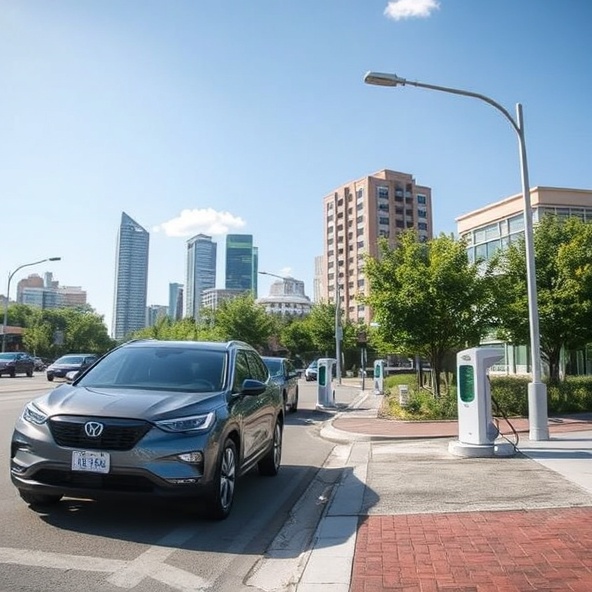
Examining how electric vehicles contribute to cleaner cities.
As urban populations continue to grow, the need for sustainable transportation solutions becomes increasingly urgent. Electric vehicles (EVs) are leading the charge in transforming urban mobility, offering a cleaner alternative to traditional gasoline-powered cars. EVs produce zero tailpipe emissions, significantly improving air quality in densely populated areas. The shift towards electric mobility helps mitigate climate change by reducing greenhouse gas emissions associated with fossil fuel consumption. Charging infrastructure is rapidly expanding, making it easier for consumers to adopt EVs. Furthermore, advancements in battery technology are enhancing the performance and affordability of electric vehicles, encouraging widespread adoption. Governments are implementing incentives and policies to promote EV usage, including tax rebates and charging station installations. The rise of electric vehicles not only contributes to cleaner urban environments but also supports economic growth through job creation in the EV sector. By embracing electric mobility, cities can pave the way for a sustainable future, ensuring cleaner air and improved public health.